


Quick Answer: A field watch is a rugged, highly legible timepiece originally designed for military use, characterized by simple dial layouts, durable construction, and excellent readability in all conditions. Modern field watches typically feature 36-42mm cases, Arabic numerals or bold indices, and canvas or leather straps—exemplified by watches like the Hamilton Khaki Field, Seiko 5 Sports, and customizable Seiko-powered builds that combine field watch aesthetics with sapphire crystal durability.

Field Watch Definition & Military Origins
A field watch is a utilitarian timepiece designed for outdoor and military use, prioritizing functionality over decoration. The term "field watch" emerged from early 20th-century military terminology, when soldiers ("in the field") required reliable wristwatches that could withstand harsh conditions while providing instant time reading.
During World War I, wristwatches replaced pocket watches on the battlefield due to practicality. By World War II, military specifications standardized field watch design around three core principles: maximum legibility (high-contrast dials with luminous markings), robust construction (shock-resistant movements and durable cases), and simplicity (minimal complications to reduce failure points).
Historical examples include the British W.W.W. ("Watch, Wristlet, Waterproof") from 1945 and the U.S. military's A-11 specification watches. These designs established the field watch template still followed today: clean dial, clear numerals, and functional reliability.

7 Key Characteristics of Field Watches
1. Legibility (Most Critical Feature)
Field watches prioritize instant readability through high-contrast color schemes—typically white or cream numerals/indices on black, dark green, or navy dials. Arabic numerals (12, 3, 6, 9 or full 1-12 layout) dominate field watch designs because they're more recognizable than Roman numerals or simple indices in low-light conditions.
Luminous materials (Super-LumiNova or tritium) coat hands and hour markers, enabling nighttime readability without artificial light. Dial layouts avoid visual clutter—no date windows at 4:30 positions, no sub-dials disrupting the clean design. Modern interpretations like brands using NH35 movements maintain this legibility principle while adding exhibition casebacks for movement viewing.
2. Durability and Construction
Field watches employ stainless steel or titanium cases (occasionally bronze for vintage aesthetics) with brushed or bead-blasted finishes that hide scratches better than polished surfaces. Case construction emphasizes impact resistance—modern field watches often include shock-resistant movements or protective case designs that absorb impacts.
Sapphire crystal has become standard in contemporary field watches (replacing acrylic in vintage models) due to superior scratch resistance. Water resistance typically ranges from 50m to 100m—sufficient for rain, hand-washing, and accidental splashes, though not intended for swimming like dive watches.
3. Simple, Functional Design
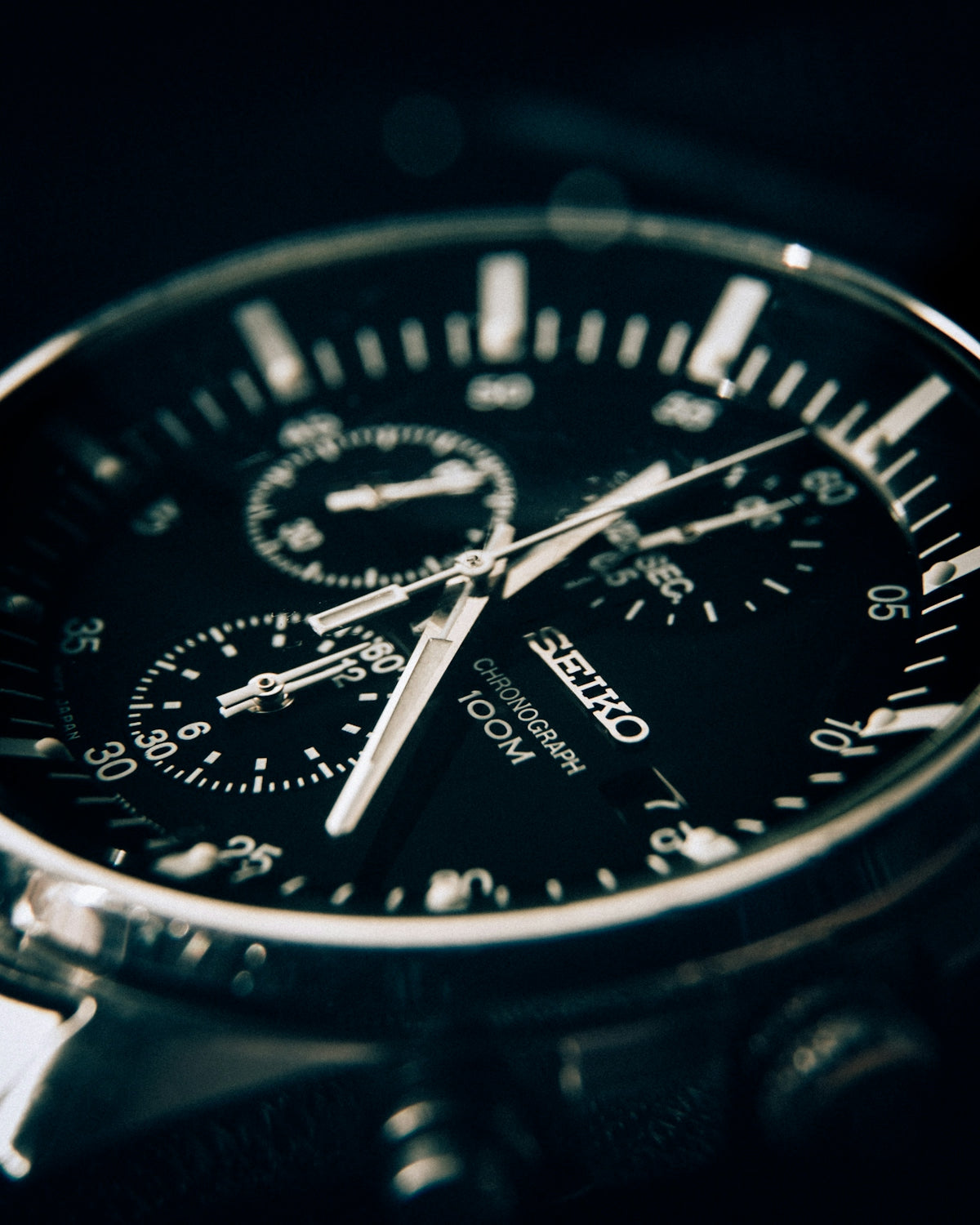
Field watches embrace minimalism: three-hand configurations (hour, minute, seconds) with occasional date complication at 3 o'clock or 6 o'clock. Chronographs and GMT functions appear in "pilot watch" categories rather than pure field watches, which maintain their roots in simplicity.
Case shapes favor round profiles with straight or slightly curved lugs for comfortable wrist fit. Crowns remain unguarded (unlike dive watches) but sized for gloved operation—typically 7-8mm diameter with pronounced knurling for grip.
4. Size: 36-42mm Sweet Spot
Historical field watches ranged from 32mm to 36mm (1940s standards), while modern interpretations span 36-42mm to accommodate contemporary wrist size preferences. The 38-40mm range represents the ideal balance: large enough for easy reading, small enough to slip under shirt cuffs and avoid snagging on gear.
Case thickness typically measures 10-12mm, creating slim profiles suitable for both field work and daily office wear. Lug-to-lug distances (45-50mm) ensure wearability across varying wrist sizes (6.5-8 inches).
5. Movement: Mechanical Reliability
Vintage field watches used hand-wound mechanical movements (often based on A. Schild or ETA calibers) requiring daily winding. Modern field watches predominantly feature automatic movements—Seiko NH35, Miyota 8215, or Swiss ETA 2824-2—combining convenience with mechanical charm.
Seiko NH35 movements (found in $200-$400 field watches) offer 41-hour power reserve, hacking seconds, and hand-winding capability. Higher-end options use Swiss movements or in-house calibers, though the NH35's 21,600 vph beat rate provides adequate timekeeping for field watch purposes (±20 seconds per day accuracy).
Quartz movements appear in budget field watches ($50-$150 range) and tactical/military reissues prioritizing accuracy over tradition.
6. Water Resistance: 50-100m Standard
Field watches target 50m (5 ATM) minimum water resistance—sufficient for rain exposure and handwashing. Many contemporary models achieve 100m (10 ATM) through screw-down crowns and gasket-sealed casebacks, though this exceeds traditional field watch requirements.
Unlike dive watches (200m+ with unidirectional bezels), field watches prioritize everyday water resistance rather than underwater capabilities. The 100m rating provides safety margin for accidental submersion without adding bulk from thick gaskets or screw-down crowns.
7. Strap: Canvas, Leather, or NATO
Field watches traditionally pair with canvas or leather straps rather than metal bracelets. NATO straps (single-piece nylon passing under the case) originated from British military issue watches, offering durability, quick adjustment, and case security if a spring bar fails.
Canvas and leather straps (18-20mm width) suit field watch aesthetics: olive green, tan, or black canvas echoes military heritage, while brown or black leather provides versatile daily-wear options. Metal bracelets appear on field-dress hybrids but contradict the original utilitarian philosophy.
Field Watch vs Dress Watch vs Dive Watch
Understanding field watch identity requires comparing it to other watch categories:
| Feature | Field Watch | Dress Watch | Dive Watch |
|---|---|---|---|
| Primary Purpose | Outdoor utility, legibility | Formal occasions, elegance | Underwater timing, durability |
| Dial Design | High-contrast, Arabic numerals | Minimalist, Roman/stick indices | Luminous markers, unidirectional bezel |
| Case Size | 36-42mm | 34-40mm (slim profile) | 40-44mm (thick profile) |
| Thickness | 10-12mm | 7-10mm | 12-15mm |
| Water Resistance | 50-100m | 30-50m (or none) | 200m minimum (ISO 6425) |
| Strap Type | Canvas, leather, NATO | Leather (alligator, calf) | Metal bracelet, rubber |
| Crystal | Sapphire (modern), acrylic (vintage) | Sapphire (always) | Sapphire (anti-reflective) |
| Best for | Daily wear, casual/outdoor | Business suits, formal events | Swimming, diving, water sports |
Key Difference: Field watches occupy the middle ground—more rugged than dress watches, more versatile than dive watches. A field watch transitions seamlessly from hiking trails to office meetings, while dress watches lack outdoor durability and dive watches appear too sporty for formal settings.

How to Choose a Field Watch: 4 Essential Criteria
1. Dial Legibility Test
Evaluate readability from arm's length in various lighting. True field watches remain instantly readable at 18 inches away in dim light. Avoid:
- Overly busy dials with multiple sub-dials
- Low-contrast color schemes (gray on black, silver on white)
- Skeleton dials prioritizing aesthetics over function
Prioritize models with generous lume application on all hour markers (not just 12/3/6/9) and sword/dauphine hands with wide luminous surfaces.
2. Movement Selection: Automatic vs Hand-Wound vs Quartz
Choose Automatic If: You want daily-wear convenience without battery replacements. Seiko NH35-powered field watches ($200-$400) deliver reliable automatic winding, hacking seconds for precise time-setting, and 41-hour reserves that survive weekends off-wrist. Brands like SKYRIM leverage NH35 movements to offer field watch functionality with sapphire crystal upgrades and exhibition casebacks—features traditionally found in higher price tiers.
Choose Hand-Wound If: You appreciate ritual and vintage authenticity. Hand-wound movements (ETA 6498, Seiko 6R15) eliminate rotor thickness, enabling slimmer case profiles (9-10mm). Daily winding becomes meditative routine for enthusiasts.
Choose Quartz If: Accuracy outweighs mechanical charm. Quartz field watches ($50-$200) achieve ±15 seconds/month accuracy with 3-5 year battery life, ideal for occasional-wear scenarios or users prioritizing zero-maintenance reliability.
3. Size and Wrist Fit
Measure your wrist circumference to guide size selection:
- 6.0-6.5 inch wrists: 36-38mm cases with 45-47mm lug-to-lug
- 6.5-7.5 inch wrists: 38-40mm cases (universal fit)
- 7.5-8.5 inch wrists: 40-42mm cases with 48-50mm lug-to-lug
Field watches should sit comfortably without lugs overhanging your wrist edges—a 38mm watch with 48mm lug-to-lug fits 6.5-inch wrists better than a 40mm watch with 52mm lug-to-lug.
4. Budget Considerations
Under $200: Quartz field watches (Timex Expedition, Casio Duro) or entry-level automatics with mineral crystal. Expect hardlex or mineral crystal instead of sapphire, basic movements, and limited finishing.
$200-$400: NH35 or Miyota-powered field watches with sapphire crystal, exhibition casebacks, and quality finishing. This tier includes Seiko 5 Sports field variants, Orient Tristar, and mod watches like SKYRIM's field-inspired builds ($285-$345) combining genuine Seiko movements with customizable aesthetics—dial colors, hand styles, and strap options enable personalization unavailable in mass-produced models.
$400-$1000: Hamilton Khaki Field (Swiss ETA movements), Seiko Alpinist, Tissot Gentleman. Premium finishing, Swiss movements, and established brand heritage define this range.
$1000+: Tudor Ranger, Omega Railmaster, Grand Seiko field models. In-house movements, superior finishing, and luxury brand cachet.
Frequently Asked Questions
Can you wear a field watch with a suit?
Yes, field watches are among the most versatile watch styles. Choose 36-38mm models with simple dials, slim profiles (under 11mm), and leather straps in brown or black. Field watches lack the bulk of dive watches and the excessive formality of pure dress watches, making them suitable for business casual to smart casual dress codes. Pair with navy or charcoal suits for professional settings, avoiding overly military-styled straps (bright olive green NATO) in conservative offices.
Are field watches waterproof?
Field watches are water-resistant (50-100m), not waterproof. This rating handles rain, handwashing, and accidental splashes but isn't designed for swimming or diving. The 50m (5 ATM) standard means the watch withstands pressure equivalent to 50 meters underwater in static laboratory testing, but dynamic factors (wrist movement, water temperature) reduce real-world limits. For swimming, choose dive watches with 200m+ ratings and screw-down crowns.
What's the difference between a field watch and a pilot watch?
Field watches emphasize simplicity (3-hand time-only or simple date), while pilot watches feature aviation-specific complications like chronographs, GMT functions, or slide-rule bezels. Pilot watches typically measure 40-44mm (larger for cockpit visibility), whereas field watches range 36-42mm. Dial designs differ: field watches use Arabic numerals optimized for ground reading, while pilot watches employ larger triangular markers at 12 o'clock and high-contrast designs for altitude-related visibility challenges. Both share military origins but diverged based on ground vs air force requirements.
Do field watches need lume?
Lume (luminous material) is essential for authentic field watch functionality. Original military specifications required radium (later tritium, now Super-LumiNova) on hands and hour markers for nighttime operations without artificial light. Modern field watches should feature lume on all indices and hands—not just 12/3/6/9 positions. Test lume quality by exposing the watch to bright light for 30 seconds, then checking readability in darkness; quality lume glows brightly for 3-4 hours, while cheap lume fades within 30 minutes.
Conclusion
Field watches represent watchmaking's most practical category: born from military necessity, refined through decades of real-world use, and adapted into versatile modern timepieces suitable for outdoor adventures and daily urban wear. The field watch's enduring appeal lies in its clarity of purpose—legibility, durability, and simplicity never go out of style.
When choosing a field watch, prioritize dial readability above all else. Whether you select a vintage-inspired hand-wound model, a modern automatic with sapphire crystal, or a customizable build combining Seiko reliability with personalized aesthetics, the best field watch is one you'll wear daily—scratches, scuffs, and all. Unlike dress watches demanding careful handling or dive watches limited to specific contexts, field watches earn their character through constant use, becoming more personal with each mark acquired.
The field watch philosophy remains unchanged since 1945: give soldiers (or hikers, office workers, weekend adventurers) a reliable tool they can read instantly and trust completely. That timeless mandate continues defining what makes a field watch authentic in 2025.


Share:
Tags:
What is a Quartz Movement Watch? Complete Guide
What is an Automatic Watch? Complete Beginner's Guide