


Every watch has a "heart" that makes it tick. This engine is called the movement, or sometimes the caliber. It’s what powers the hands and keeps time. But not all movements are the same. When you're choosing a watch, you're really choosing between two different philosophies: the super-accurate, modern technology of quartz, or the classic, handcrafted art of a mechanical watch.
This guide will break down the differences in simple terms. We'll look at how they work, what makes each one special, and help you figure out which type of movement is the right fit for you.

The Big Debate: Quartz vs. Mechanical
The watch world is split into two main teams: quartz and mechanical. They get their power in completely different ways, which creates a totally different experience for the person wearing the watch.
The Quartz Revolution: Modern, Precise, and Easy
Quartz movements changed the watch world forever. They work using modern electronics. A small battery sends electricity to a tiny, tuning-fork-shaped quartz crystal. This makes the crystal vibrate at an incredibly steady rate: exactly 32,768 times per second.
A circuit board counts these vibrations. Once it hits 32,768, it sends a single pulse to a tiny motor, which moves the second hand forward one step. This is why a quartz watch's second hand has that classic "tick, tick, tick" motion.
The biggest advantage of quartz is its amazing accuracy. A standard quartz watch might only be off by about 15 seconds a month, which is far more accurate than most mechanical watches. Because they have fewer moving parts, they're also very durable and can handle bumps and shocks well. Best of all, they're low-maintenance. You just need to change the battery every few years, making them the perfect choice if you want a watch that's reliable, accurate, and hassle-free.

The Art of Mechanical: A Centuries-Old Tradition
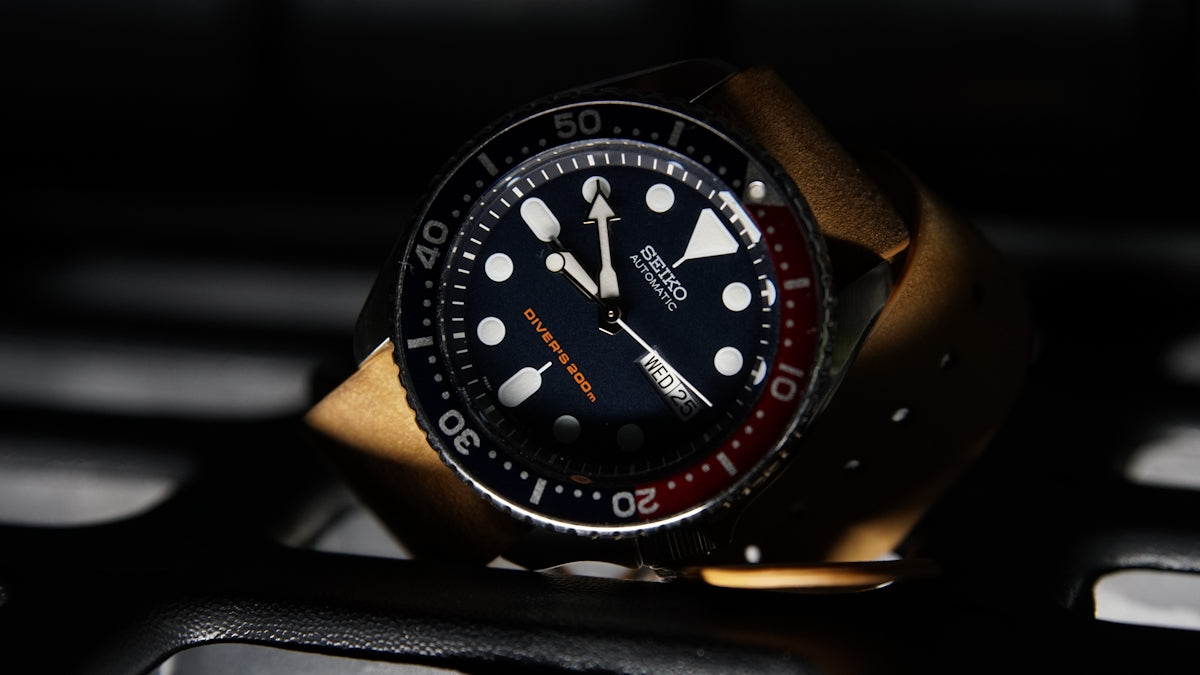
A mechanical movement is a tiny, living machine made of hundreds of intricate parts. It uses no electricity at all. Its power comes from a tightly wound spring called the mainspring. You wind this spring either by turning the crown (for manual watches) or just by moving your arm (for automatic watches).
This stored energy is released through a series of gears. The most important part is the escapement, which acts like a gatekeeper. It "locks" and "unlocks" the gears at a very high speed, letting out the mainspring's power in tiny, controlled bursts.
These bursts of energy power the balance wheel, which is the beating heart of the movement. It swings back and forth at a steady rhythm, controlling the speed of the watch and making the second hand glide smoothly around the dial. This graceful, sweeping motion is the most recognizable feature of a mechanical watch.
Interestingly, the rise of quartz watches in the 1970s and '80s almost wiped out traditional watchmaking. But it also forced mechanical watches to find a new identity. They couldn't compete on pure accuracy, so they leaned into what makes them special: craftsmanship, history, and artistry. Today, a mechanical watch is seen as a piece of wearable art. Its quirks, like needing regular service, are now seen as part of its charm.

At a Glance: Quartz vs. Mechanical
|
Feature |
Quartz Movement |
Mechanical Movement |
|
Power Source |
Battery |
Wound Spring |
|
Accuracy |
Very High (seconds per month) |
Varies (seconds per day) |
|
Maintenance |
Change battery every few years |
Full service every 5-10 years |
|
Price Range |
Generally lower ($ to $$$) |
Generally higher ($$to$$$$$) |
|
Second Hand |
Ticking motion |
Smooth, sweeping motion |
|
Main Appeal |
Practical, accurate, reliable |
Craftsmanship, tradition, "soul" |
Choosing between quartz and mechanical is about what you value. If you want a reliable tool that just works, quartz is the clear winner. If you love tradition, craftsmanship, and the idea of a tiny machine on your wrist, nothing beats the magic of a mechanical watch.
A Deeper Look: Automatic vs. Manual-Wind Mechanical
If you decide to go with a mechanical watch, you have one more choice to make: automatic or manual? This is all about how you interact with your watch.
The Winding Ritual: Manual-Wind Movements
A manual-wind movement is the purest form of mechanical watchmaking. It’s powered entirely by you winding the crown by hand every day or two. This simple act creates a unique connection between you and your watch.
For many watch lovers, winding their watch each morning is a favorite ritual. It’s a quiet moment to appreciate the craftsmanship and feel the gears engage. It’s a hands-on experience that feels special in our digital world.
From a design standpoint, manual movements are often thinner and lighter because they don't have the extra parts needed for automatic winding. This allows for very slim and elegant dress watches. Plus, without a rotor in the way, the see-through case back offers a beautiful, unobstructed view of the entire movement at work.

The Everyday Engine: Automatic Movements
An automatic movement, also called a self-winding movement, has a special weight inside called a rotor. As you move your wrist throughout the day, the rotor spins, and that motion automatically winds the mainspring for you.
This makes automatic watches incredibly convenient. As long as you wear the watch regularly, it will keep running without you ever having to wind it. It’s the perfect blend of mechanical charm and modern convenience.
The trade-off is that automatic movements are usually a bit thicker and heavier to make room for the rotor. The rotor can also block part of the view through a see-through case back, though many high-end brands decorate their rotors to make them beautiful in their own right.
Beyond the Basics: Hybrids and High-Tech Movements
Just when you think you have it all figured out, some innovative watchmakers are blurring the lines between quartz and mechanical, creating amazing hybrid movements.
The Best of Both Worlds: Seiko's Spring Drive
Seiko's Spring Drive is a true game-changer. It’s often called the "third type" of movement because it combines the power of a mechanical watch with the accuracy of a quartz watch.
It gets its energy from a mainspring, just like a traditional mechanical watch. But instead of a standard escapement, it uses an electronic regulator powered by a quartz crystal. This system controls the release of energy with incredible precision.
The result is a watch that is as accurate as a high-end quartz watch but has a second hand that moves in a perfectly smooth, silent glide. It’s a visual representation of time flowing, something no other movement can replicate.
The Smart Stopwatch: Meca-Quartz Movements
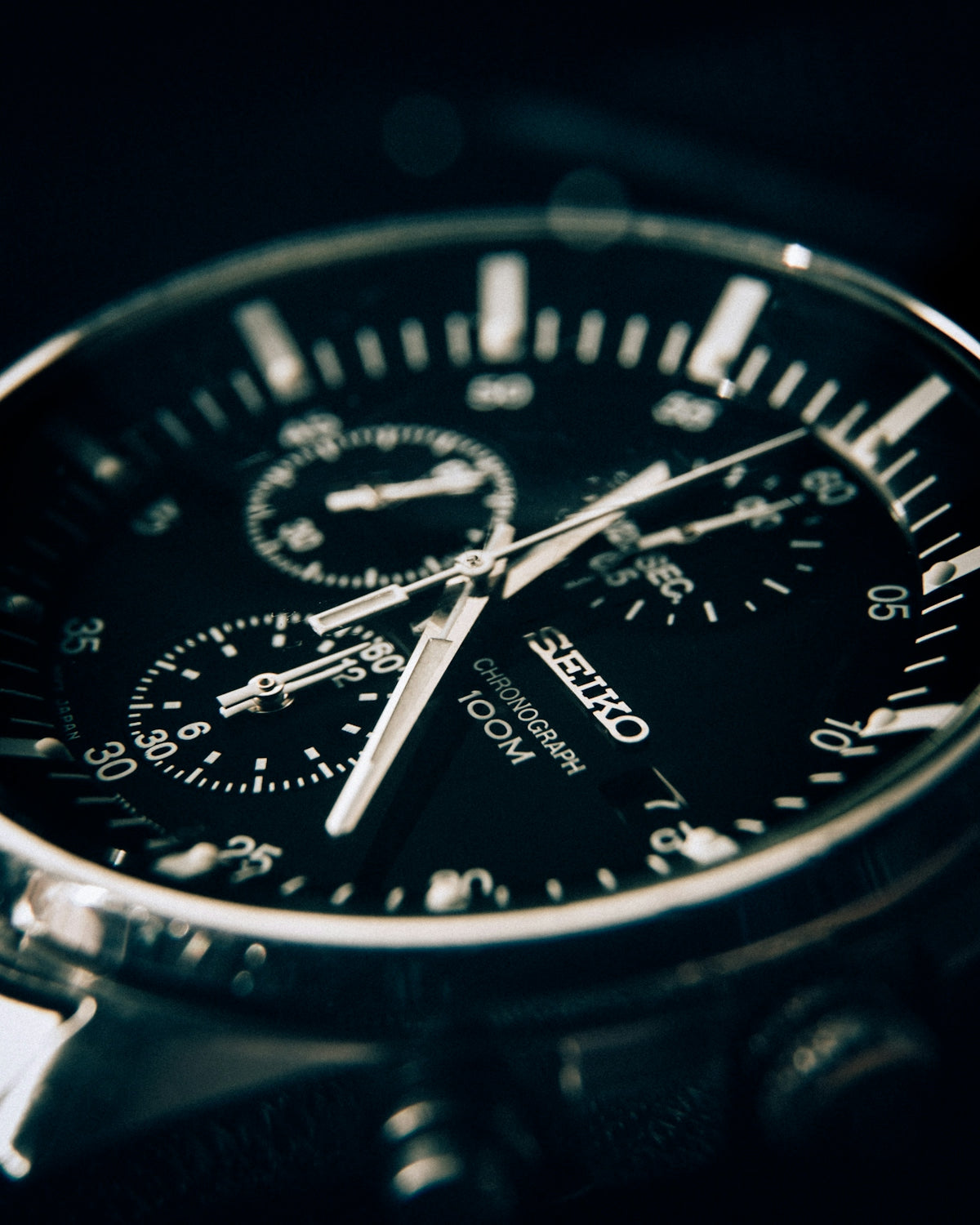
A Meca-Quartz movement is a clever hybrid often found in chronographs (watches with a stopwatch function). It uses a quartz movement for the main timekeeping, so it's accurate and low-maintenance.
But the stopwatch function is all mechanical. When you press the buttons, you get the satisfying, tactile "click" of a mechanical chronograph, and the stopwatch hand snaps back to zero instantly instead of slowly rotating. It gives you the best parts of the mechanical chronograph experience at a much more affordable price.
No More Batteries: Solar and Kinetic
Solar and Kinetic technologies are advanced types of quartz movements that solve the one downside: battery changes. Solar-powered watches have a small panel under the dial that converts any light into energy, which is stored in a rechargeable cell. Kinetic watches use a rotor, similar to an automatic watch, to generate electricity from your motion. Both are eco-friendly and incredibly convenient.

Decoding the Spec Sheet: What Jewels, BPH, and Power Reserve Mean
When you look at a watch's technical details, you'll see terms like "jewels," "BPH," and "power reserve." Here's what they actually mean in simple terms.
Jewels: Not for Bling
The "jewels" in a watch movement aren't for decoration. They are tiny, synthetic rubies used as bearings for the gears. Because rubies are incredibly hard and smooth, they reduce friction at the most critical points, which helps the movement run more efficiently and last much longer. A basic mechanical movement needs around 17 jewels to function properly. More complicated watches will have more, but a higher jewel count doesn't automatically mean a better watch.
BPH (Beats Per Hour) / Hertz (Hz): The Heartbeat of the Watch
BPH, or Hertz, measures how fast the balance wheel is oscillating. A higher number means the second hand moves more smoothly.
-
21,600 BPH (3 Hz): The second hand moves 6 times per second. This is a common frequency and looks quite smooth.
-
28,800 BPH (4 Hz): The second hand moves 8 times per second, which looks even smoother. This is a very popular standard for modern watches.
-
36,000 BPH (5 Hz): The second hand moves 10 times per second, creating an almost perfectly fluid sweep. This is a true "high-beat" movement.
In theory, a higher frequency can lead to better accuracy, but it also uses more energy and can cause parts to wear out faster.
Power Reserve: The Watch's "Gas Tank"
Power reserve is simply how long a mechanical watch will keep running after you take it off. A watch with a 40-hour power reserve will stop after about a day and a half. A watch with a 70-hour or longer power reserve can make it through a whole weekend, so it will still be running on Monday morning without needing to be reset.
The Collector's Choice: In-House vs. Third-Party Movements
As you get deeper into watches, you'll hear people debate "in-house" versus "third-party" movements.
The Reliable Workhorse: Third-Party Movements
Third-party movements are made by specialized companies like ETA, Sellita (from Switzerland), and Miyota (from Japan) and sold to other watch brands. These movements are the backbone of the watch industry. They are reliable, durable, easy to service, and affordable, which allows hundreds of smaller brands to create amazing watches without the massive cost of developing their own movements.
The Mark of a Master: In-House Movements
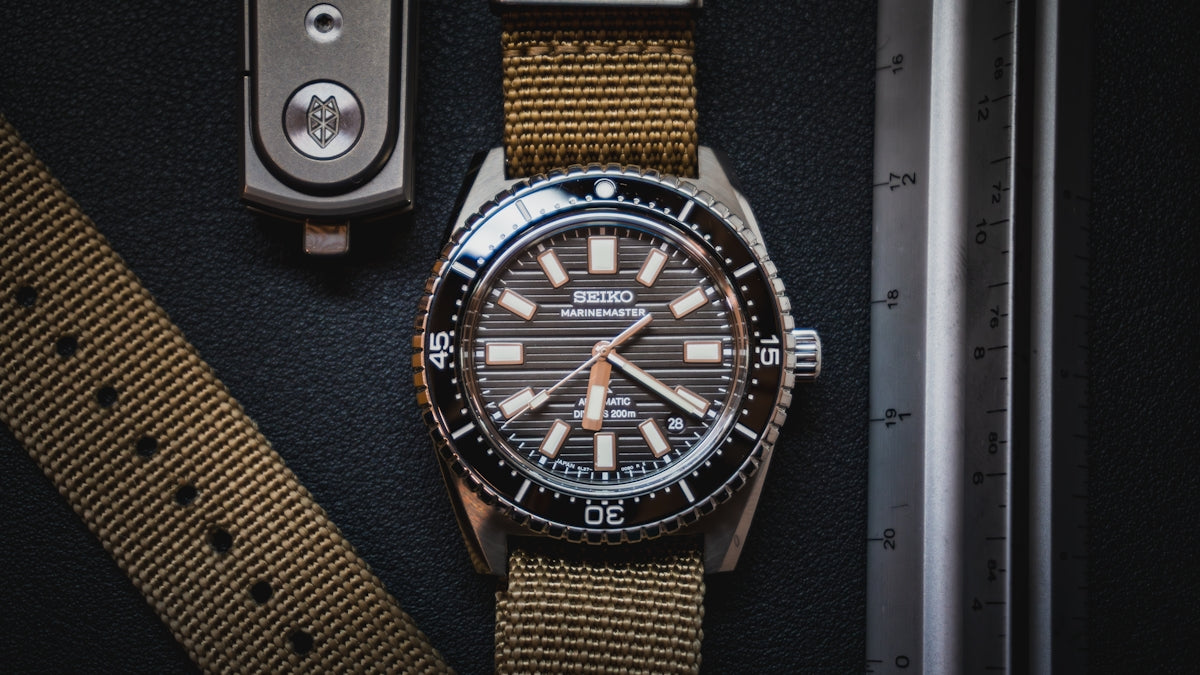
An in-house movement is one that a watch brand designs, builds, and assembles itself. It's a sign of a brand's technical skill and is often found in high-end luxury watches. Brands like Seiko are famous for making their own movements for their luxury lines. This gives them complete control over the design and quality, making the watches more exclusive and collectible. However, this also makes them more expensive to buy and service.
Conclusion: Choose the Movement That "Speaks" to You
After all this, how do you choose? The truth is, there is no "best" movement—only the one that's best for you. It all comes down to your lifestyle, your budget, and what you find fascinating.
To help you decide, here are a few profiles:
-
For the Practical Person: You want a watch that's a reliable tool. Accuracy, durability, and ease of use are your top priorities. Go for: A high-quality Quartz, Solar, or Kinetic watch.
-
For the New Enthusiast: You're drawn to the magic of mechanical watches and want something reliable to start your collection. Go for: An automatic watch with a trusted third-party movement (like a Sellita, ETA, or Miyota).
-
For the Traditionalist: You love history, enjoy rituals, and want to feel a connection to your watch. Go for: A classic manual-wind watch where you can see the beautiful movement.
-
For the Tech Lover: You're always looking for the latest and greatest in performance and innovation. Go for: A watch with a Seiko Spring Drive or another unique hybrid movement.
Ultimately, choosing a watch movement is a personal decision. It’s about how you see time and what you want your watch to say about you. So, listen to your gut and pick the one that truly "speaks" to you.
Frequently Asked Questions (FAQ)
Q1: Are automatic watches better than quartz watches?
A: Neither is "better," they're just different. Quartz is more accurate, durable, and easier to maintain. Automatic watches are celebrated for their craftsmanship, history, and the smooth sweep of the second hand. It all depends on what you value more: pure function or the art of watchmaking.
Q2: How often does a mechanical watch need to be serviced?
A: Most brands recommend a full service every 5 to 10 years. A watchmaker will take the movement apart, clean it, lubricate it, and put it back together to make sure it runs accurately for years to come.
Q3: Can you wind an automatic watch by hand?
A: Yes, almost all modern automatic watches can also be wound manually by turning the crown. This is useful for getting the watch started after it has stopped.
Q4: Why are some mechanical watches so much more expensive than others?
A: The price depends on many factors: whether the movement is in-house or third-party, how complicated it is (like a stopwatch or calendar), the level of hand-finishing, the materials used in the case, and the brand's reputation.
Q5: What does "Swiss Made" mean on a watch movement?
A: For a movement to be legally labeled "Swiss Made," its technical development must be done in Switzerland, it must be assembled and inspected in Switzerland, and at least 60% of its parts' value must be of Swiss origin. It's a protected label that signifies a certain standard of quality.
Q6: Will my automatic watch stop if I don't wear it?
A: Yes. An automatic watch is powered by your motion. If you leave it sitting still, it will stop running once its power reserve runs out (usually after 40 to 70 hours). You'll then need to reset the time and wind it to get it started again.


Share:
Tags:
Quartz vs Automatic Movement: Complete Comparison Guide
What Type of Watches Don't Need Batteries? Complete Guide